

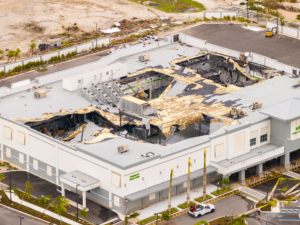
After severe weather, commercial property owners typically want repairs to commence as soon as possible. While an insurance company’s initial settlement offer might seem like sweet relief and a good deal, it’s not unusual for that first number to underestimate the full extent of the damage and the repairs needed. Before accepting a settlement, keep this information in mind and consider your options.
The First Offer Is Often a Starting Point, Not the Final Word
Insurance companies aim to settle claims efficiently and economically. The first offer you receive may not be the full amount needed to restore your property to pre-loss condition; it is often based on an initial inspection or a fast-tracked estimate that may miss hidden or secondary damage altogether.
Commercial roofs — along with the HVAC and electrical systems that reside on them — and building interiors can sustain storm impacts that aren’t immediately visible. Once work begins, it’s not unusual to discover additional damage that requires more extensive repairs. For example, while replacing shingles, a roofing company might find that the roof deck is damaged and not only needs to be replaced but brought up to code — at substantial extra cost. It’s wise to schedule a reinspection or obtain a second opinion from a qualified professional before you accept an underpaid claim.
A Complex Loss Requires a Complete Scope
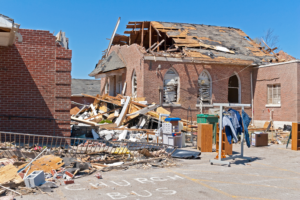
Storm losses on commercial properties are rarely straightforward. Water intrusion, wind uplift, and business interruption issues often overlap. Your insurance carrier’s initial offer may cover surface-level damage but not the full cost of code upgrades, material pricing fluctuations, or specialized labor.
An accurate scope of loss, built from a professional assessment and detailed documentation, is the foundation of a fair settlement. Without it, property owners risk leaving significant compensation on the table.
You Have the Right to Ask for Clarification and to Challenge the Offer

Accepting the first offer isn’t your only option. Policyholders have the right to request clarification, obtain independent estimates to ensure accuracy, and submit additional evidence. This is where a public adjuster can make life substantially easier for the insured. Adjusters are highly experienced with this process and know how to negotiate directly with the carrier for a settlement that reflects the true cost of recovery.
Settling Too Soon Can Cost You Later
Once you accept a settlement and sign a release, reopening a claim can be difficult or next to impossible. Plus, if hidden damage eventually surfaces, you could be left covering the difference out of pocket. Delaying acceptance until you are confident that all damage has been addressed and valued is often the most financially sound decision you can make.
Expertise and Thorough Documentation Make a Difference

Your leverage in a claim comes from documentation — detailed notes, multiple photos, test results, and on-target repair estimates. With strong proof, your insurance company can’t wiggle out of what you are owed.
Public adjusters specialize in comprehensive documentation and turning it into a well-supported claim. They understand how to interpret policy language, recognize undervalued items, and ensure that a settlement covers all storm-caused damage.
The Bottom Line
The first offer from your insurance carrier may look appealing in the moment, but it’s often merely a starting point for negotiations. Taking the time to verify the scope of your loss and cross-checking estimates can mean the difference between an insufficient payout and a fair one. An experienced public adjuster can help substantiate and expedite the process.
At D.A. Lamont Public Adjusters, we help commercial property owners recover every dollar their policy promises. If your property was damaged in a recent storm, let us review your claim before you accept that first offer.